




February 2026 Stablecoin Payments Report: Navigating New Regulations and Market Dynamics
The stablecoin market is shifting fast, and February 2026 brings fresh challenges and opportunities for your payment strategies. New regulations in Europe and the Middle East are reshaping how stablecoins fit into global payments infrastructure. This report breaks down what’s moving the market from institutional interest to real-world use so you can stay ahead in stablecoin payments and settlement. For more insights, check out this report.
Navigating New Stablecoin Regulations
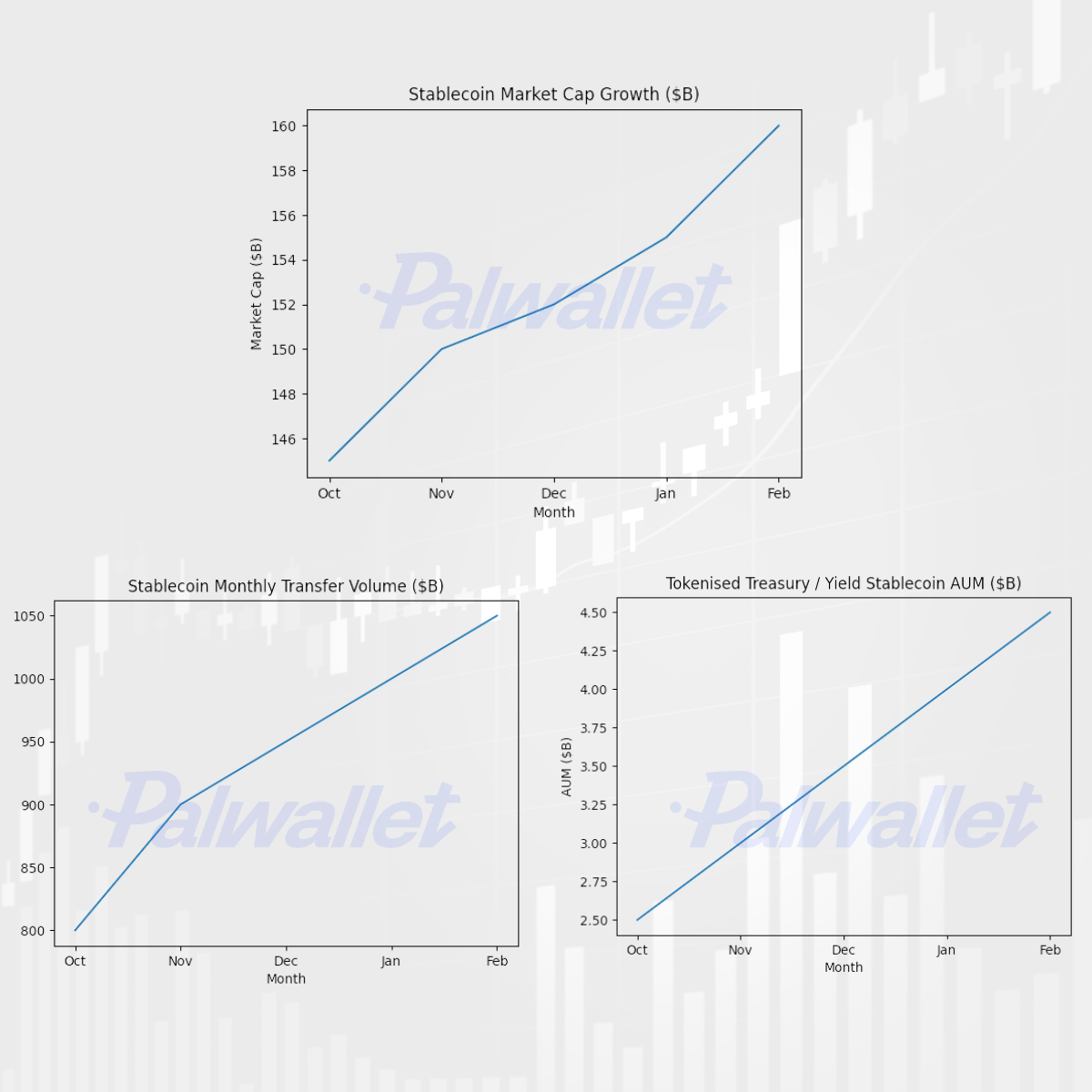
As we dive into February 2026, new rules are reshaping the stablecoin world. These changes are not just regulatory hurdles but also offer paths to growth and innovation in the payment landscape.
Europe’s MiCA Framework Impact
Europe is setting the stage with its MiCA regulations. These rules aim to bring order to the stablecoin scene, ensuring that major players like Tether and Circle adhere to new standards. The key change is the demand for fully backed reserves held in authorized places, which strengthens trust. This means you can expect more reliable and transparent stablecoin offerings. With these rules, the market leans towards regulated players, potentially squeezing out those operating on the fringes. Exchanges are already reviewing their listings to align with compliance, which could consolidate liquidity amongst trusted issuers. Want more insights? Explore PwC’s report for a deeper understanding.
UAE’s Digital Asset Initiatives
Moving to the Middle East, the UAE is taking bold steps to become a hub for digital assets. Through regulatory bodies like ADGM and VARA, the country is welcoming custodians, payment providers, and stablecoin infrastructure firms. The UAE’s launch of the DDSC—a UAE dirham-backed stablecoin—is a game-changer. Backed by local giants and approved by the central bank, this move is reducing reliance on the USD and paving a new path for local digital currencies. Additionally, the Digital Dirham initiative is layering stablecoins with central bank digital currency, creating a robust ecosystem. This positions the UAE as a crucial bridge between traditional and digital finance, fostering a globally significant environment for stablecoin growth.
Institutional Interest in Yield-Bearing Stablecoins
With regulations setting the groundwork, the focus shifts to how institutions are engaging with yield-bearing stablecoins. The appeal lies in their promise of returns, drawing interest from various financial players.
Tokenised Treasuries and Market Growth
Look at the numbers: the tokenised treasury market is valued at around $4B – $5B in assets under management. These instruments offer yields ranging from 4.5% to 6%, which are attracting attention from crypto funds, corporate treasuries, and institutional allocators. Platforms like Ondo Finance and Franklin Templeton are leading the charge, offering stablecoin products that function like money market funds. They bring liquidity, yield, and transparency to the table. The classification and regulation of these products are set to evolve with upcoming deadlines, such as the March1 cutoff for defining stablecoin yields. This shift will shape how these financial tools integrate into larger systems, potentially transforming them into mainstream investment options.
Regulatory Developments Shaping the Future
As the White House deadline approaches, discussions around the Digital Asset Market CLARITY Act are intensifying. This act could redefine how yield-bearing products are treated, impacting distribution and regulation. The outcome will have far-reaching consequences on financial systems, altering how you might engage with these assets. Institutions are watching closely, and so should you. For the broader implications, check out this policy backgrounder.
Payment Giants and Stablecoin Integration

As institutional interest grows, so does the involvement of payment giants. These companies are embedding stablecoins into their infrastructure, signaling a shift towards more integrated digital asset payments.
Visa and Mastercard’s Blockchain Moves
Visa and Mastercard are not just observing; they’re actively expanding their stablecoin capabilities. By supporting USDC-based transactions and testing blockchain payment rails, these giants are integrating stablecoins into their networks. This shift means faster and more reliable transactions for you. The use of blockchain ensures secure and transparent payment flows, which is a significant step towards mainstream adoption. As these companies pilot new technologies, they set a precedent for how traditional payment systems can evolve to include digital assets.
PayPal and Stripe’s Stablecoin Strategies
Meanwhile, PayPal is continuing its rollout of stablecoins across its payment platforms, integrating them into merchant and wallet ecosystems. Stripe, after a hiatus, has re-entered the crypto space with a focus on stablecoin payments. These moves highlight a broader trend of payment companies embracing digital assets as part of their core offerings. You can expect smoother transactions and greater flexibility in global payments with these developments. For more detailed insights, the Payments Association’s roadmap provides a comprehensive look at these evolving strategies.
In summary, the stablecoin market is at a pivotal point, with regulations and institutional interest driving significant changes. As you navigate these shifts, keep an eye on how these developments can enhance your payment strategies and open new opportunities.

